









Learn which excavator, digger and dumper wear parts should be replaced before failure. Reduce downtime, improve machine performance and avoid costly site breakdowns.
If you own a construction company or work as an independent mechanic, you know that most breakdowns do not happen without warning. Wear parts rarely fail overnight. They deteriorate gradually over time, showing clear signs before machinery breaks down on site.
Wear parts need to be replaced regularly to protect construction machinery, maintain performance and reduce the risk of costly site breakdowns. Whether you operate excavators, dumpers or other heavy equipment, preventative maintenance is essential for maximising uptime.
A simple, proactive checklist can prevent downtime, reduce repair costs and keep clients happy. Here's what to look for and which parts to keep on hand to maximise uptime and efficiency.
5 common wear parts:
1. bucket teeth and cutting edges
These components take the direct impact of digging, loading and grading. They protect the bucket itself from premature wear.
Bucket teeth are among the most frequently replaced excavator wear parts and are critical for maintaining digging performance across construction, demolition and earthmoving applications.
Signs they are nearing failure:
• Short, rounded or chipped teeth
• Cracks along the cutting edge
• Missing teeth
• Uneven wear across the bucket
As a general guide, bucket teeth should be replaced when they have lost around 40% of their original length or show significant dullness.
Replacing them early:
• Maintains digging efficiency
• Reduces fuel consumption
• Protects the bucket from costly edge damage
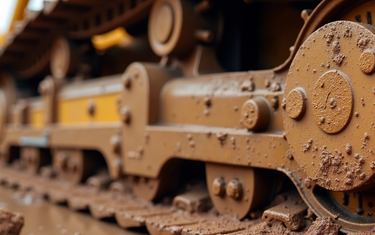
2-track components (including sprockets, rollers, idlers and tracks)
These components support and guide the track system, ensuring smooth movement and machine stability.
Undercarriage parts often represent one of the highest maintenance costs on tracked excavators and other plant machinery, making regular inspections essential.
Signs they are nearing failure:
• Sprockets develop worn teeth due to improper track tension, leading to slippage and increased load on drive motors.
• Rollers wear from continuously carrying the machine's weight.
• Idlers wear on the tread and centre flange, causing track misalignment.
• Rubber tracks show wear through thinning tread, exposed metal inserts, tearing, cracking and slipping during operation.
Unchecked wear can lead to increased load on drive motors, reduced machine efficiency, higher fuel consumption and safety risks on site.
3-pin and bushes
Pins and bushes work together as a crucial lubricated pivot system in heavy machinery. They connect components, allow rotational movement and minimise friction and wear on major structural parts.
Signs they are nearing failure:
• Drifting during steering
• Poor handling and reduced tracking accuracy
• Metal-to-metal clunking, knocking or squeaking
• Excessive movement between the pin and bush
• Visible gaps in pin holes
Routine greasing is essential. It prevents direct metal-to-metal contact and significantly extends service life.
4 - hydraulic hoses and filters
Hydraulic hoses and filters are critical components for transmitting power and maintaining fluid cleanliness.
Signs they are nearing failure:
• Visible cracks or abrasions
• Exposed reinforcement wires
• Fluid leaks around fittings
• Fine oil mist indicating a pinhole leak
• Clogged filters causing pressure drop and reduced fluid flow
• Sluggish machine performance
• Unusual whining or rattling noises
Hydraulic hose replacement should never be delayed, as even a small leak can quickly develop into a major hydraulic system failure.
What to keep in stock vs order when needed
Keep These Common Plant Machinery Parts in Stock:
• Filters
• Common bucket teeth
• Frequently used pins and bushes
• Hydraulic hoses
• Fast-moving service kits
Order when needed
• Large undercarriage components
• Less common OEM electrical or engine parts
• High-value structural components
• Parts for rare or ageing machines
How to identify the right part
1. Confirm the machine make, model and serial number.
2. Locate the part number on the existing component.
3. Take clear photographs and measurements if required.
4. Check parts manuals.
5. Decide between OEM and aftermarket options.
OEM or aftermarket: how to choose
Both OEM plant parts and quality aftermarket parts have their place in a maintenance strategy.
Choose OEM for:
• Hydraulic pumps
• Engine components
• Electronic sensors
• Warranty-related parts
• Precision-fit components
Choose aftermarket for the following:
• Older machines where repair costs must be controlled
• Non-critical components such as filters, belts and hoses
• Routine replacement items where value for money is important
Quick site inspection checklist
Before starting work, check for:
• Visible cracks or abnormal wear
• Fluid leaks
• Unusual vibration or noise
• Excessive movement in joints
• Uneven track wear
Protect your deadlines and margins
Wear parts almost always provide warning signs before failure. The key is acting before a minor issue becomes a major breakdown.
Plant and Machine Parts supplies high-quality excavator wear parts, digger parts, dumper parts and construction machinery parts across the UK and Europe. From bucket teeth and undercarriage parts to hydraulic hoses, filters and service kits, we offer both OEM and aftermarket solutions to keep your equipment operating efficiently.
With fast dispatch, competitive trade pricing and knowledgeable support, we help customers identify the correct heavy equipment parts first time, reducing downtime and avoiding costly delays.
Shop online today or contact our team for expert advice on excavator parts, plant machinery maintenance and replacement wear parts. The right part, delivered quickly, keeps your projects on track.